✍️ Written by Waqas | ⏱️ Read Time: 35 minutes | 📅 Last Updated: Aug 22, 2025
Table of Contents
- Saudi Life for Expats – A Mix of Tradition and Opportunity
- Adjusting to Saudi Culture and Lifestyle
- Cost of Living and Financial Planning
- Housing & Expat Compounds
- Life for Different Types of Expats
- Daily Life & Social Activities for Expats
- Family Life, Education & Raising Kids in Saudi Arabia
- Women’s Life & Rights in Saudi Arabia
- Social Life, Friends & Entertainment for Expats
- Healthcare System & Insurance for Expats
- Expat Kids – Schools, Activities & Daily Life
- Religion, Culture & Legal Restrictions in Saudi Arabia
- Getting Around – Transport & Driving for Expats
- Retirement Planning for Expats in Saudi Arabia
- Education System for Expat Children in Saudi Arabia
1. Saudi Life for Expats – A Mix of Tradition and Opportunity
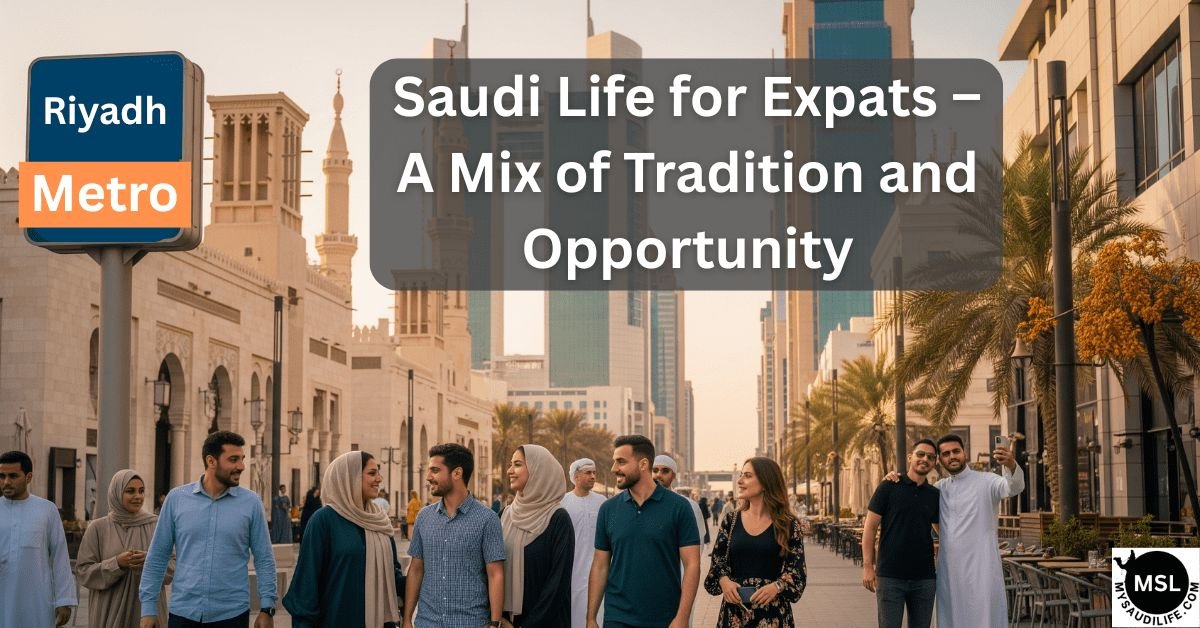
- Saudi Arabia offers a unique lifestyle for foreign workers and families
- Living in Saudi Arabia blends traditional Islamic culture with modern comforts
- Expat experience depends on job, salary, housing, and family setup
- Vision 2030 is transforming cities like Riyadh and Jeddah rapidly
- This guide covers work culture, family life, social rules, and more
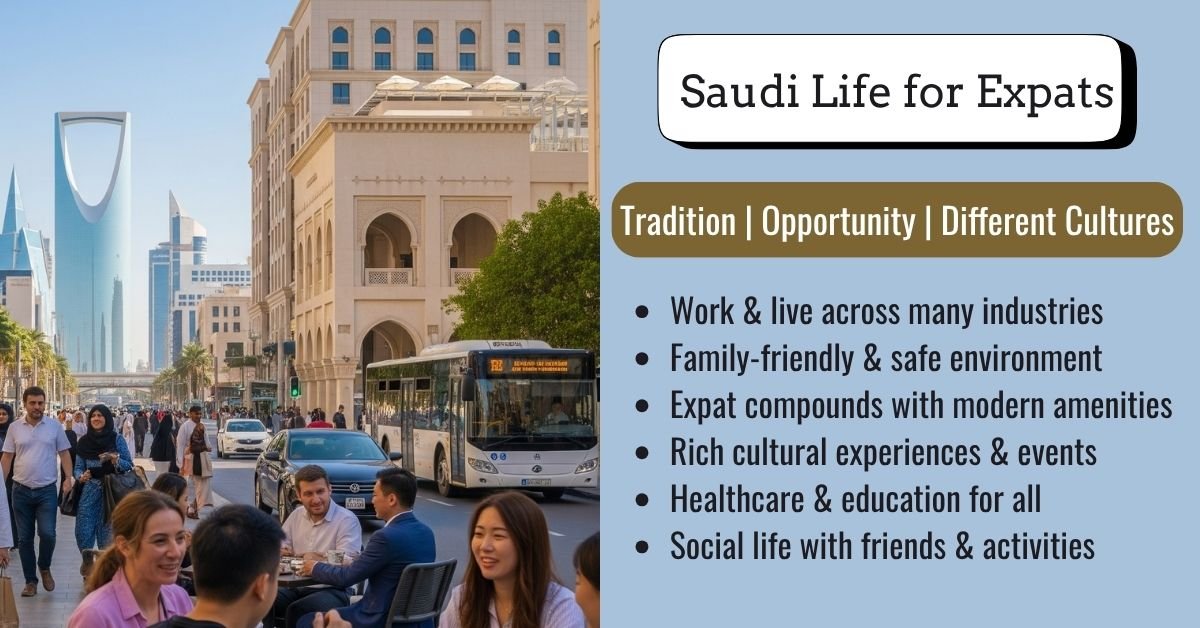
Saudi Arabia is one of the most popular destinations for expats in the Middle East. Whether you’re relocating for a high-paying job, starting a business, or joining your family, Saudi life for expats offers a mix of tradition, safety, and opportunity. From well-organized expat compounds to a tax-free income system , many foreigners choose to make the Kingdom their second home.
However, the experience varies widely. While some enjoy a comfortable lifestyle with spacious villas, domestic help, and generous employment benefits, others must adjust to cultural differences, conservative dress codes, and strict public behavior laws. Life as an expat in Saudi Arabia means understanding and respecting local customs deeply rooted in Islamic traditions.
Today, under the Vision 2030 initiative, Saudi Arabia is undergoing major changes. Sectors like tourism, entertainment, and technology are growing fast. Cities like Riyadh, Jeddah, and Dammam are becoming more expat-friendly with new metro systems, international schools, modern malls, global food chains, and social events that didn’t exist a decade ago.
In this complete guide, we’ll explore every part of Saudi life for expats — from adjusting to the local culture, finding a home, navigating Saudi labor laws, to raising kids or living as a single woman in the Kingdom. Whether you’re moving to Riyadh, Jeddah, or an industrial city like Jubail or Yanbu, this article will help you prepare for your journey and make the most of your time in Saudi Arabia.
2. Adjusting to Saudi Culture and Lifestyle
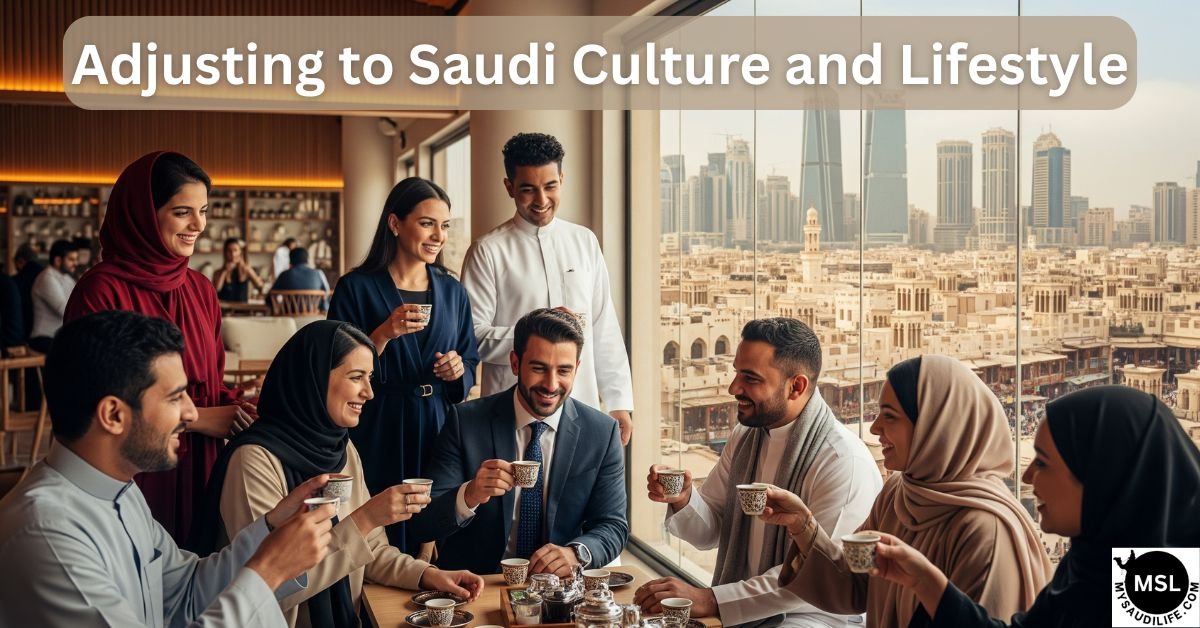
- Saudi culture is deeply influenced by Islamic values and traditions
- Expats often experience culture shock, especially during the first few months
- Expat compounds provide more freedom and help ease the transition
- Social life is expanding with entertainment, cafes, and outdoor activities
- Vision 2030 is boosting tourism and transforming the Kingdom’s lifestyle
Moving to Saudi Arabia can feel like stepping into a very different world, especially for those coming from Western, South Asian, or Southeast Asian countries. Saudi life for expats requires adjusting to a conservative society where religious practices and cultural traditions strongly shape daily life. While the first few months may involve culture shock, most foreigners gradually adapt and begin to enjoy the Kingdom’s unique lifestyle.
2.1 Culture Shock & Local Customs
Many newcomers experience a cultural shock after arriving in Saudi Arabia. You’ll quickly notice gender separation in public places, the five daily prayer times that pause all activities, and strict public behavior laws. Public displays of affection are not allowed, and modest dressing is required — especially for women.
Understanding these norms is essential for any foreign resident. Since the legal system is based on Sharia law, even small actions like playing loud music in public or ignoring local customs may cause issues. That said, locals are usually respectful and kind to foreigners who follow the rules and show cultural awareness.
2.2 Living in Expat Compounds
A popular housing option for expats in Saudi Arabia is the private residential compound. These secure communities are designed to offer more liberal living — similar to Western lifestyle standards — with amenities like gyms, pools, cafes, and even schools.
Life inside a compound feels more relaxed and allows expats — especially families and women — to socialize freely in a comfortable environment. Many expats say living in a compound helped them adjust quickly and enjoy a better work-life balance in the Kingdom.
2.3 Social Life & Outdoor Activities
Social life for expats in Saudi Arabia is improving year by year. Thanks to Vision 2030 reforms, cities like Riyadh, Jeddah, and Dammam are now home to new restaurants, coffee shops, art galleries, entertainment zones, and mixed-gender public spaces. Foreigners often join clubs and social groups based on hobbies, language, or nationality.
The cooler winter months (October to March) are perfect for outdoor activities. Families go on picnics, desert safaris, camping trips, and strolls in public parks. With a bit of planning, expats can maintain an active lifestyle despite the region’s climate.
2.4 Weekend Trips & Tourism
Exploring Saudi Arabia is one of the best parts of expat life. Thanks to the country’s rich history and natural beauty, there are many exciting weekend getaway options. Popular destinations include:
- AlUla – An ancient desert city with tombs, rock carvings, and UNESCO heritage sites.
- The Red Sea – Offers pristine beaches, island resorts, snorkeling, and coral diving.
- Riyadh’s Edge of the World – A stunning hiking destination with panoramic desert views.
The Saudi government is actively developing its tourism sector, opening new tourist spots, resorts, and cultural festivals as part of Vision 2030. Expats now have more freedom to explore and enjoy the Kingdom than ever before.
3. Cost of Living and Financial Planning
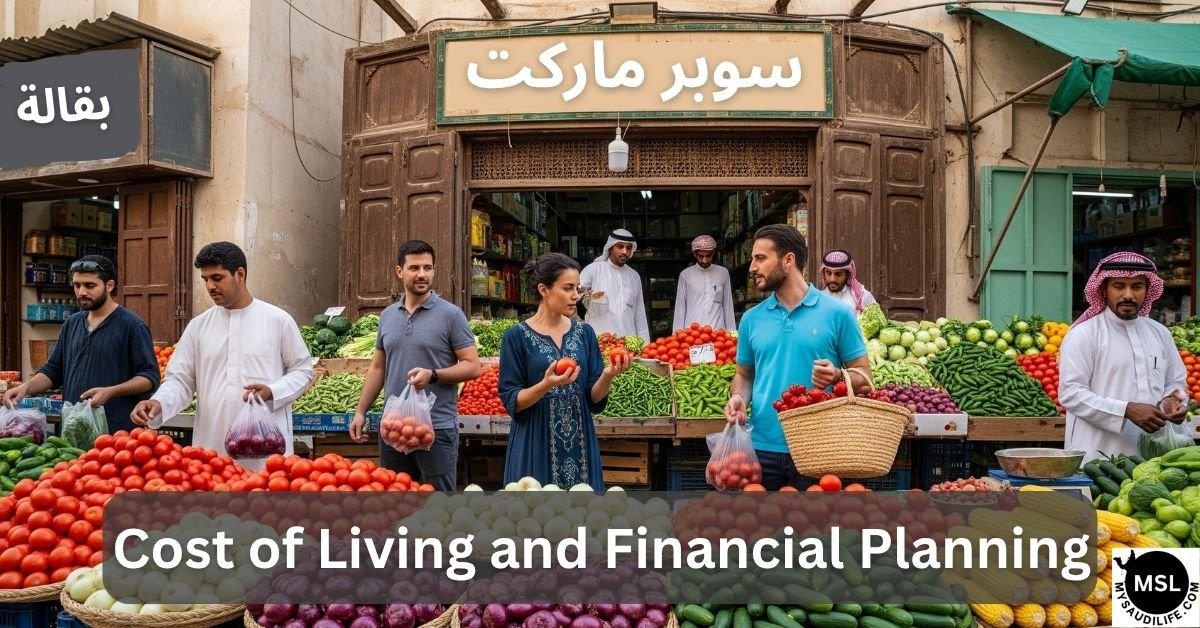
- Saudi Arabia offers tax-free income, but living costs vary based on city and lifestyle
- Major expenses include housing, school fees, groceries, utilities, and transportation
- Many employers provide benefits like free housing, insurance, and annual flights
- Smart budgeting helps expats save more while living abroad
- This section includes average expenses, salary benchmarks, and savings tips
One of the most common questions about Saudi life for expats is: How much does it cost to live in Saudi Arabia? In this section, we’ll cover average monthly expenses for singles and families, including housing, groceries, utilities, school fees, and transportation. We’ll also explain what benefits employers usually offer, typical expat salaries, and financial tips for saving money in the Kingdom.
3.1 Average Monthly Expenses for Expats
The cost of living in Saudi Arabia varies by location, job benefits, and lifestyle choices. Major cities like Riyadh (COST OF LIVING) , Jeddah, and Dammam are more expensive than smaller towns. Here’s a rough idea of monthly living expenses for expats:
| Expense Type | Single Person (SAR) | Family of 4 (SAR) |
|---|---|---|
| Rent (2BHK/3BHK) | 2,000 – 3,500 | 4,000 – 7,500 |
| Groceries | 700 – 1,000 | 1,500 – 2,500 |
| Utilities (Electricity, Water) | 300 – 500 | 500 – 800 |
| Transport (Fuel/Taxi/Uber) | 300 – 600 | 800 – 1,200 |
| School Fees (per child) | – | 1,500 – 3,500 |
Most single expats can live comfortably with a monthly salary of SAR 10,000 – 15,000. For families, a monthly income of SAR 20,000 – 25,000 is often sufficient, depending on children’s school fees and housing choices.
3.2 What Benefits Do Employers Provide?
Most expat employment contracts in Saudi Arabia include added benefits. These help reduce your living expenses and increase your savings potential. Here are the most common ones:
- Free housing or a monthly housing allowance
- Annual return airfare for you and your family
- Medical insurance (private or company-funded)
- Transportation allowance or company-provided vehicle
- Education support for dependent children
Always read the employment contract carefully and check what benefits are included — especially if you are relocating with your spouse or children.
3.3 Saving Money as an Expat in Saudi Arabia
One of the biggest advantages of working in Saudi Arabia is the no income tax policy, allowing expats to save more than in most other countries. Whether you’re here for a short contract or long-term stay, smart financial planning can help you reach your goals faster.
Here are a few ways expats save money in Saudi Arabia:
- Buy groceries in bulk from Lulu, Hyper Panda, or Nesto
- Use Careem or ride-sharing apps to save on transport costs
- Live in suburban or less central areas for affordable rent
- Use local SIM and bank services to avoid international charges
With tax-free salaries, employer benefits, and a planned budget, many expats achieve strong savings during their time in the Kingdom.
4. Housing & Expat Compounds
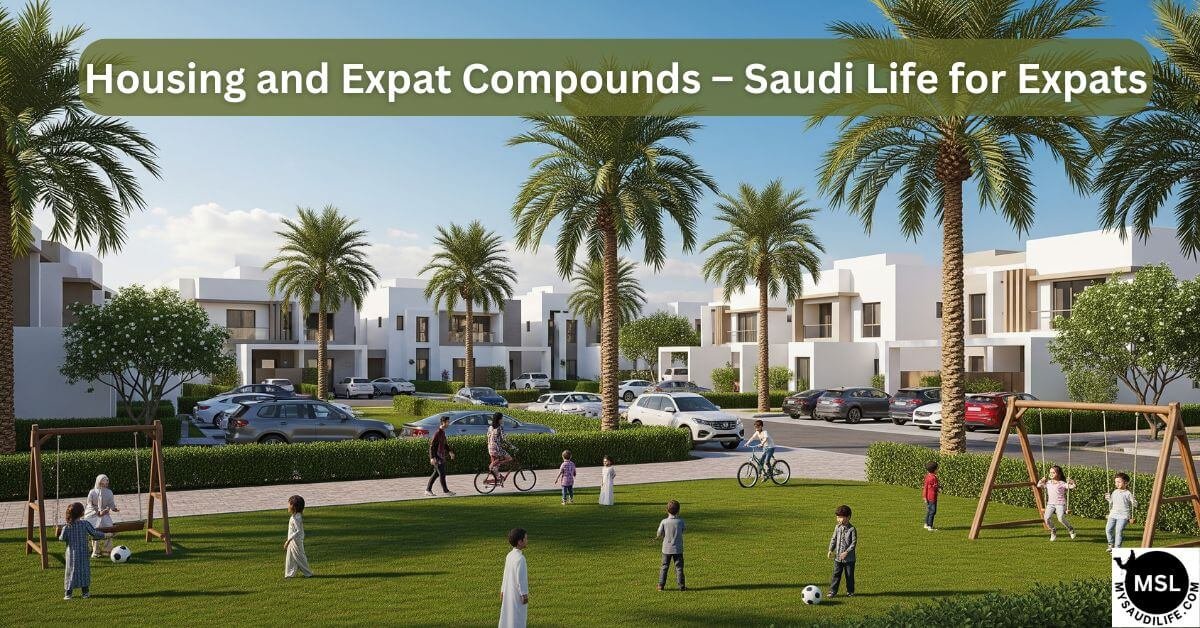
- Expats can choose between city apartments or gated residential compounds
- Compounds offer Western-style housing with greater personal freedom
- Facilities like pools, gyms, and schools are usually included in compound life
- Housing costs range from SAR 2,000 to SAR 15,000 per month
- Many employers offer free accommodation or a housing allowance
One of the most important parts of Saudi life for expats is choosing the right place to live. Whether you are single or moving with family, housing in Saudi Arabia varies a lot in price, location, and lifestyle. The two most common options for expats are private apartments or villas in the city, and residential expat compounds that offer more freedom and community life.
4.1 What is an Expat Compound?
An expat compound is a private, gated community where foreigners can live in a more relaxed environment. These compounds are designed to offer a Western-style lifestyle while still being inside Saudi Arabia. Inside a compound, the rules are more flexible — women can drive freely, mixed-gender events are allowed, and there’s no dress code like in public areas.
Most compounds include facilities such as:
- Swimming pools
- Gym and fitness centers
- Restaurants and coffee shops
- Mini-markets and salons
- Children’s playgrounds and schools
- Shuttle buses to malls and offices
4.2 Benefits of Compound Living
Living in a compound offers many benefits for expats:
- More privacy and freedom compared to public areas
- Safe and family-friendly environment
- International neighbors and expat community support
- No need to follow abaya or strict dress codes inside
- On-site amenities reduce the need for outside travel
4.3 Cost of Housing in Saudi Arabia
Housing costs can vary greatly. A 2-bedroom apartment in the city may cost between SAR 2,000 – 4,000 per month, while a villa in a high-end compound could cost up to SAR 8,000 – 15,000 per month.
Many companies include housing or provide a separate housing allowance, so it’s important to negotiate this before signing your job contract. Always ask whether utility bills and internet are included in your rent, as these can affect your monthly budget.
4.4 Popular Compounds in Major Cities
Here are some well-known expat compounds in key cities:
- Riyadh: Al Hamra Oasis Village, Arizona Golf Resort, Kingdom City
- Jeddah: Al Basateen Village, Al Nakhla, Sierra Compound
- Dammam/Khobar: Canary Vista, Al Bustan Village, Al Mojil Green Village
Some compounds require company sponsorship for leases, while others are open to any expat — but usually at a premium cost. It’s smart to visit the property, read online reviews, and speak with current residents before committing.
If you’d like a full comparison and photo guide of compounds in each city, visit our detailed post on Expat Compounds in Saudi Arabia.
5. Life for Different Types of Expats
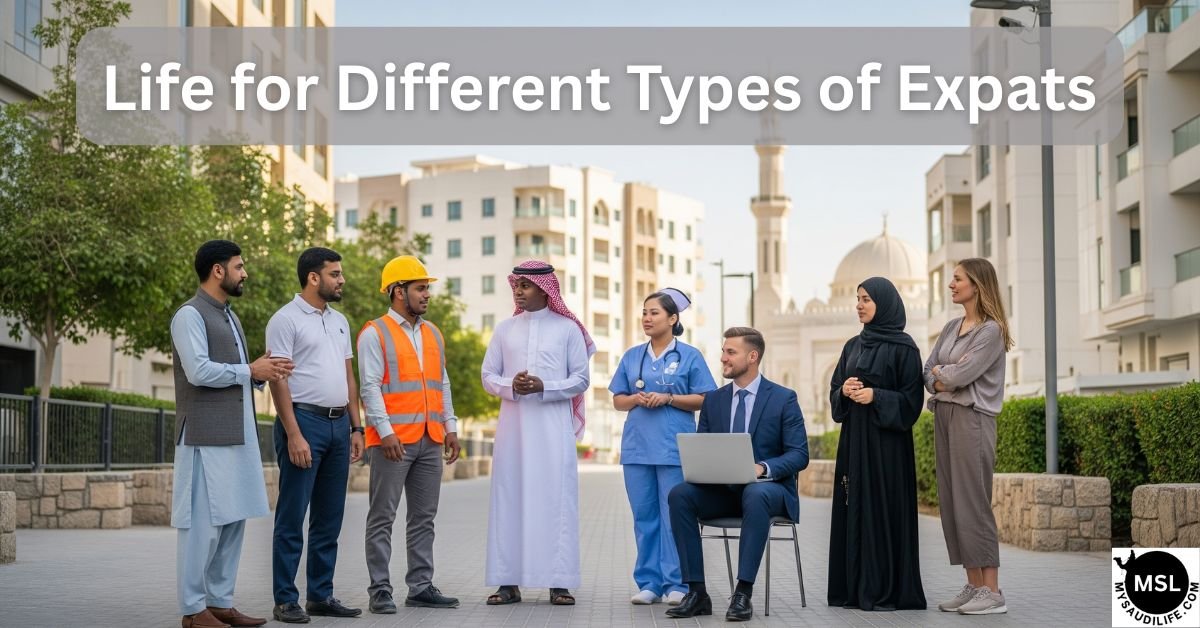
- Expat life in Saudi Arabia varies based on nationality, job sector, and gender
- Indian, Pakistani, and Bangladeshi expats form the largest labor force
- Western expats enjoy higher salaries and compound living
- Muslim expats feel spiritually connected; non-Muslims must follow religious laws
- Women expats have more freedom now but still face social limits
Life in Saudi Arabia varies greatly for expats depending on their nationality, culture, job role, and gender. While some enjoy high salaries and relaxed living in compounds, others work in labor-intensive roles and share accommodations. Below, we explore how life differs for expats from various countries and backgrounds.
5.1 Indian Expats
Indians form the largest expat group in Saudi Arabia. Most are employed in construction, engineering, healthcare, and IT. Professionals enjoy better living conditions, while blue-collar workers often share housing. Indian groceries, restaurants, and temples or cultural centers exist in all major cities.
5.2 Pakistani Expats
Pakistani expats are well-established, especially in Makkah, Madinah, and Riyadh. They work in transportation, retail, and skilled trades. Shared religious values help integration, and the large Urdu-speaking population provides comfort and familiarity in daily life.
5.3 Bangladeshi Expats
Bangladeshi workers contribute significantly to the service and labor sectors. Many are cleaners, drivers, or construction workers. Despite low salaries, they build strong communities and often rely on group living to reduce costs.
5.4 Nepali Expats
Nepali nationals often work in domestic work, hospitality, or private security. Many come through recruitment agencies and adapt well due to their humble lifestyle. Although language can be a barrier, mutual support and cultural harmony make adjustment easier.
5.5 Afghan Expats
Afghan workers are usually found in small businesses or construction jobs. Cultural and religious alignment with Saudi society helps them adjust, but paperwork and visa issues can create difficulties.
5.6 Sri Lankan Expats
Sri Lankans are commonly employed in domestic and hospitality roles. Many women work as live-in maids or nannies. Some face challenges, but established networks and embassy support are available. Social media groups help maintain cultural connection.
5.7 Filipino Expats
Filipinos are among the most visible expat groups in nursing, customer service, and domestic work. English fluency is a big advantage. Many live in expat-friendly areas and maintain active church communities and food outlets.
5.8 Chinese Expats
Chinese professionals usually work in large-scale construction, oil, and tech projects. They often live in company housing. Language differences can be a hurdle, but Chinese-run businesses and markets are gradually increasing.
5.9 Western Expats
Westerners — including Americans, British, and Europeans — mostly work in teaching, healthcare, and multinational companies. Most live in compounds and enjoy higher salaries. However, strict gender laws and religious codes can be a cultural challenge at first.
5.10 Women Expats
Women expats now enjoy more rights than before, including the ability to drive and work in mixed environments. However, conservative customs still apply in public. Compound living, job sector, and nationality play a big role in how freely a woman can live.
5.11 Muslim Expats
Muslim expats often feel spiritually fulfilled living in the Kingdom. Friday prayers, fasting in Ramadan, and the chance to perform Umrah or Hajj easily make life more rewarding. Religious holidays are public holidays, and practicing Islam is fully supported.
5.12 Non-Muslim Expats
Non-Muslim expats need to be respectful of local customs. Public celebrations of other faiths are not allowed, but private worship is usually tolerated. Alcohol and pork are strictly banned. Maintaining a low profile with religious matters is advised for safety and comfort.
6. Daily Life & Social Activities for Expats
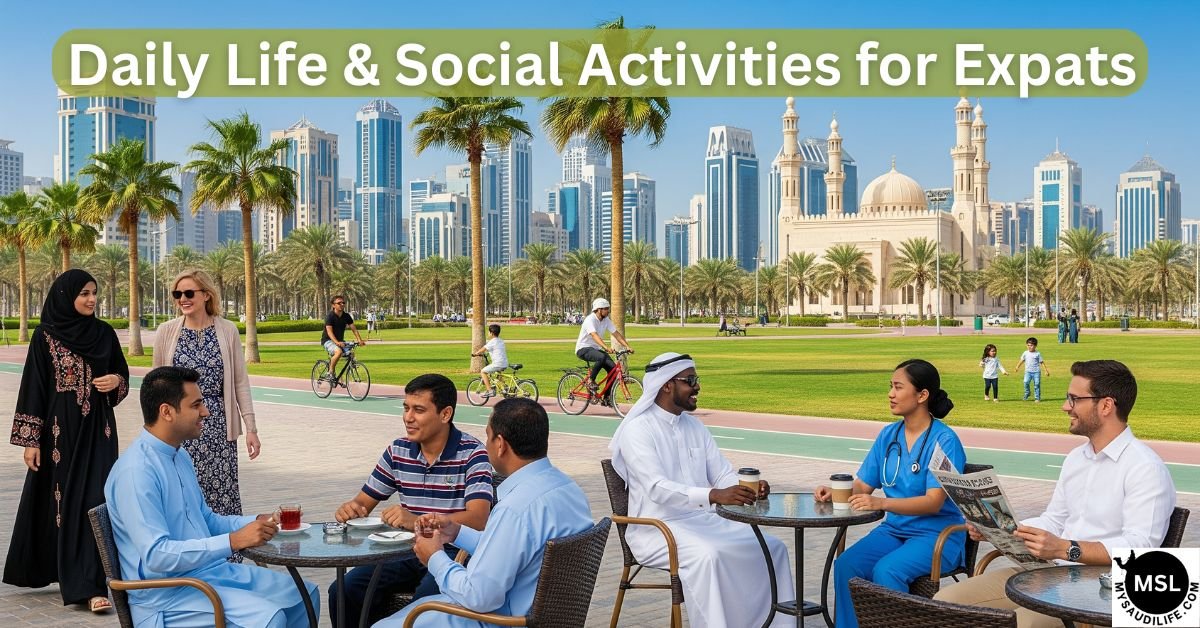
- Saudi daily life for expats follows Islamic traditions and local customs
- Prayer timings and gender roles affect public schedules and behavior
- Social activities vary between expat compounds and city neighborhoods
- Supermarkets, restaurants, and cafes are widely available with diverse options
- Weekends offer outdoor fun, shopping, cultural events, and travel
Living in Saudi Arabia as an expat involves a unique rhythm of life shaped by local customs, Islamic culture, and a mix of modern and traditional values. Daily routines differ depending on your job, location, and housing setup, but most expats adapt quickly to the lifestyle. Experiencing Saudi life for expats means embracing these customs while enjoying a variety of social and leisure activities. Let’s explore what day-to-day life looks like for expats in Saudi Arabia.
6.1 Work & Weekly Routine
The Saudi workweek runs from Sunday to Thursday, with Friday and Saturday as weekends. Typical working hours may include an extended lunch break, especially in summer due to the intense heat. Offices maintain a professional environment but remain respectful of prayer breaks and religious customs.
6.2 Grocery Shopping & Essentials
Expats can shop at major supermarkets like Lulu, Panda, Carrefour, and Tamimi, which offer both local and international items. South Asian, Filipino, and Western grocery stores are also common. In cities, online grocery delivery apps make life more convenient.
6.3 Dining Out & Cafes
From Arabic grills and shawarma stalls to Western chains like KFC and Starbucks, Saudi Arabia has a wide dining scene. Cafés have become social hotspots, particularly in Riyadh and Jeddah, offering desserts, coffee, and outdoor seating—popular after sunset.
6.4 Prayer Times & Religious Etiquette
Businesses and shops close during prayer times, typically five times a day. This is especially noticeable in smaller towns. While expats aren’t required to participate, it’s important to pause activities, lower your voice, and respect the surroundings during these periods.
6.5 Social Life & Friendships
In expat compounds, life is more vibrant with community clubs, fitness centers, and events. Outside compounds, friendships often grow through work, religious gatherings, or online expat communities. While gender segregation still exists, it is less rigid than before in larger cities.
6.6 Weekend Activities & Entertainment
Weekends in Saudi Arabia are vibrant. Expats enjoy shopping malls, beach outings, family parks, and desert adventures. During cooler months, outdoor festivals and events like Riyadh Season attract both locals and foreigners. Jeddah offers seafront activities, while the desert near Riyadh is perfect for camping.
6.7 Events, Holidays & National Celebrations
Expats can now enjoy public concerts, sports, and exhibitions thanks to Vision 2030 reforms. Events like the Saudi National Day, Eid al-Fitr, and Riyadh Season are celebrated widely. While non-Muslims aren’t expected to participate in religious observances, they must show respect during holidays.
6.8 Adjusting to the Local Lifestyle
New expats often go through a cultural adjustment phase. Learning Arabic greetings, understanding local etiquette, and joining expat support groups help make daily life smoother. Over time, most foreigners adapt and find a balanced lifestyle in the Kingdom.
7. Family Life, Education & Raising Kids in Saudi Arabia
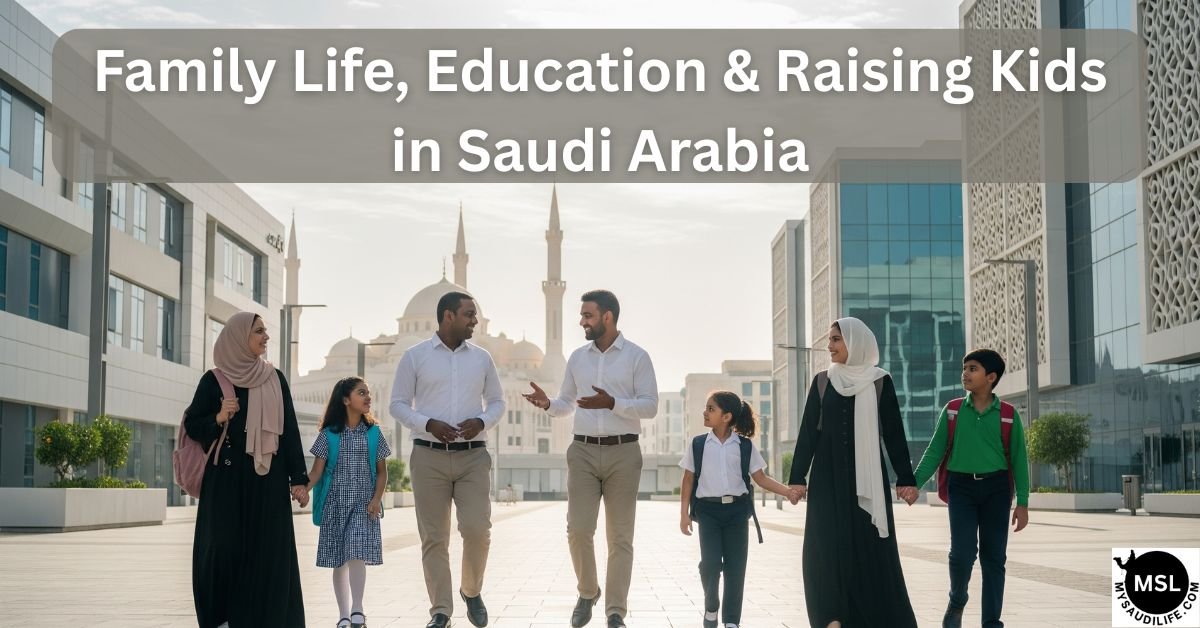
- Saudi Arabia is a safe and family-oriented country for expats
- Expat compounds offer ideal environments for children
- Top international schools follow Indian, British, American, and other curricula
- Affordable family entertainment options are widely available
- Children adjust well to the local culture with proper guidance
Many expats move to Saudi Arabia with their families, and while the environment is conservative, it’s also very family-focused. Saudi life for expats provides safety, family-friendly activities, and good schooling options for children. Let’s explore what family life is like for expats in the Kingdom.
7.1 Family Environment & Safety
Saudi Arabia is considered one of the safest countries in the Middle East. Cities like Riyadh, Khobar, and Jeddah have low crime rates, strict laws, and strong family values. Public areas are secure for women and children, and expat compounds provide an even higher level of safety — key reasons why Saudi life for expats is attractive for families.
7.2 Housing for Families
Most expat families prefer living in compounds, where children can play freely in gated environments. These communities offer villas or apartments, swimming pools, sports courts, playgrounds, and social clubs. Outside of compounds, many affordable apartments are available in family-oriented neighborhoods.
7.3 Education Options for Expat Children
Saudi Arabia has a wide range of international schools. These follow different curricula including:
- Indian (CBSE & ICSE)
- British (IGCSE/A Levels)
- American (K-12)
- Pakistani (FBISE)
- Filipino, French, and other national curricula
Popular cities like Riyadh, Jeddah, and Dammam have many high-quality schools with modern facilities. Fees vary widely, but many employers offer education allowance as part of the expat package.
7.4 School Admissions & Challenges
Getting into good international schools can be competitive. Most require entrance tests, interviews, and early application. Some schools may have limited seats for certain nationalities. Plan ahead, and keep backups in case your first choice doesn’t work out.
7.5 Daily Routine with Kids
A typical day starts early — most schools begin around 7:00 AM and finish by 2:00 PM. During hotter months, children spend afternoons indoors or in compound facilities. Evenings are ideal for mall visits, dining out, or community activities. Family schedules also adjust around prayer times and cultural events.
7.6 Family-Friendly Entertainment
Saudi Arabia has plenty to offer children and families. Malls include soft play areas, gaming zones, and cinemas. Amusement parks like Al Shallal Theme Park (Jeddah) and Al Hokair Land (Riyadh) are popular. In winter, families enjoy trips to the desert, beaches, or historic sites like AlUla and Diriyah.
7.7 Raising Kids in a Different Culture
Kids raised in Saudi Arabia are exposed to Arabic language, Islamic customs, and diverse nationalities. While the culture may feel conservative at first, children usually adapt faster than adults. Respecting elders, using polite language, and dressing modestly are key values taught early on.
This cultural exposure helps children grow with a broader worldview and respect for other religions and traditions — a valuable lesson in today’s global society.
8. Women’s Life & Rights in Saudi Arabia
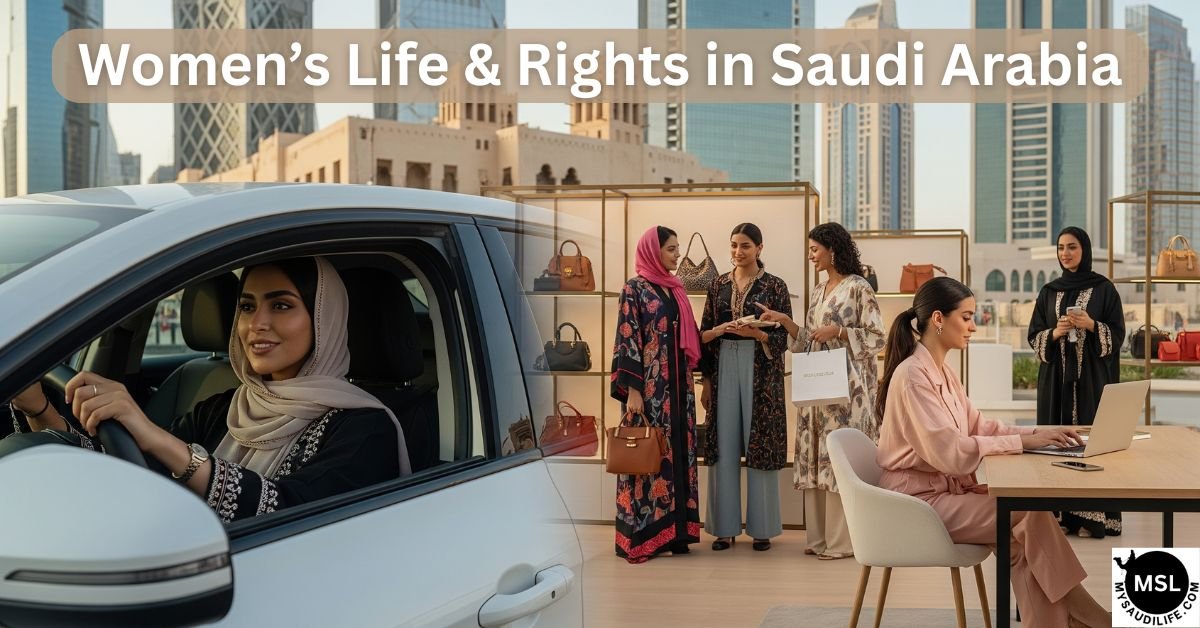
Women experiencing growing rights and freedoms in Saudi life for expats, from driving and professional work to cultural adjustments in Saudi Arabia.
- Women can now drive, travel, and work independently
- Dress code has relaxed, but modesty is still expected
- Expat women are welcome in many professional fields
- Compound life offers more freedom and comfort
- Cultural challenges exist but are easing in major cities
The life of women in Saudi Arabia has changed significantly over the last few years. Major reforms have created new opportunities for both local and expat women in Saudi Arabia. While cultural expectations still shape some areas of life, the country is becoming more inclusive, especially in urban centers — an important aspect of Saudi life for expats.
8.1 Major Reforms in Women’s Rights
In recent years, the Saudi government has introduced historic changes:
- Women can drive (since 2018)
- No need for male guardian approval to travel or get a passport
- Freedom to work in various fields including retail, education, security, and healthcare
These reforms have opened new doors for expat women, especially professionals and independent residents.
8.2 Dress Code for Women
Saudi Arabia has eased strict dress laws. Women no longer need to wear the black abaya by law. However, modest clothing — such as long sleeves, loose pants, and covered shoulders — is still recommended in public. Inside expat compounds or private venues, Western-style attire is commonly accepted.
8.3 Working Women & Job Market
Saudi Arabia is actively encouraging women to join the workforce. Expat women are employed in:
- Education and teaching
- Nursing and healthcare
- Human resources and administration
- Design, IT, and customer service
Many workplaces now provide gender-inclusive spaces and better work-life balance. Having a degree and English skills can improve job prospects for expat women.
8.4 Women in Public Spaces
Today, women can:
- Attend concerts, cinemas, and sporting events
- Visit mixed-gender cafés and restaurants
- Freely shop in malls and public markets
In some rural or conservative regions, traditional gender segregation still exists, especially in schools, clinics, and public offices.
8.5 Life for Western & Asian Expat Women
Life in Saudi Arabia differs depending on your background:
- Western women often live in compounds, enjoy social freedom, and have access to modern amenities.
- Asian expat women (from India, Pakistan, Sri Lanka, Philippines) commonly work in domestic, nursing, or service roles, with experiences varying based on employer and region.
8.6 Social Life & Challenges
Expat women often build social circles through:
- Compound activities and clubs
- Yoga, Zumba, and gym classes
- Online expat communities and women’s groups
Some cultural barriers remain — such as restrictions on dating, alcohol, or public affection — but expats in big cities like Riyadh and Jeddah find many ways to enjoy a fulfilling social life.
Real Stories: Why Expats Choose Saudi Arabia
Hearing personal experiences helps understand what life is really like as an expat in Saudi Arabia. Ebonie, a British expat, shares her reasons for moving to the Kingdom in 2025, giving valuable insights into opportunities, culture, and lifestyle changes. Watch her story below.
9. Social Life, Friends & Entertainment for Expats
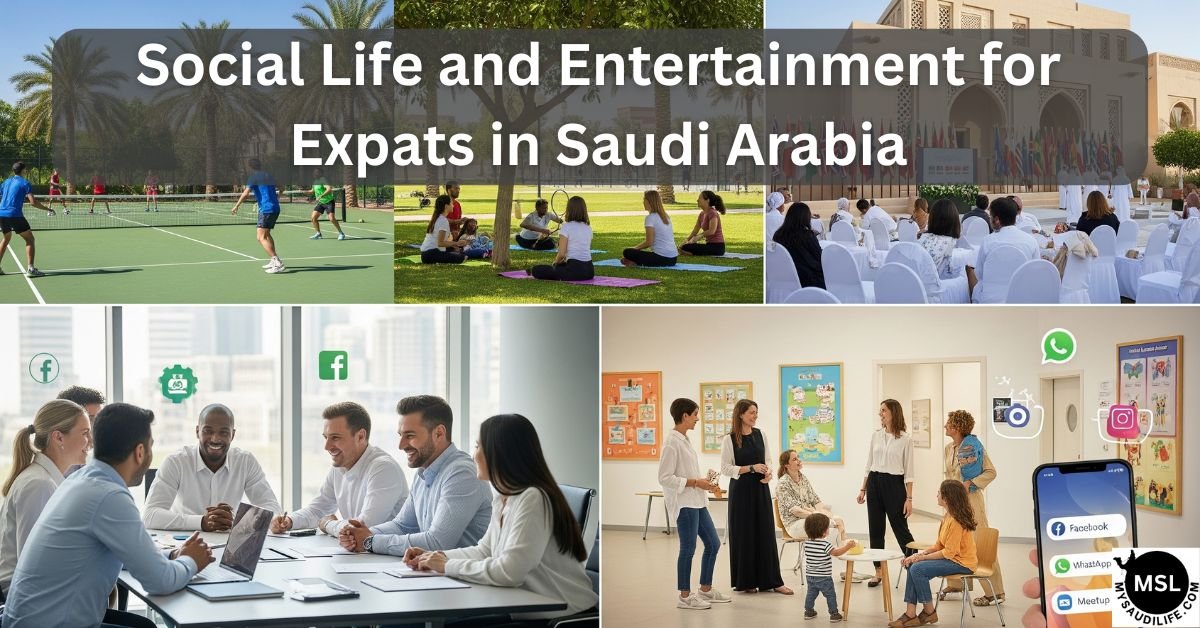
Living in Saudi Arabia as an expat doesn’t mean missing out on fun and friendships. While traditions are respected, the Kingdom has seen huge growth in entertainment, events, and social activities. From making friends to attending concerts and visiting theme parks, expats now enjoy a more vibrant social life than ever before — an exciting part of the overall Saudi life for expats.
9.1 Making Friends as an Expat
Expats often form close-knit communities and make friends through:
- Colleagues at work
- Parents’ groups at international schools
- Expat clubs, religious centers, and embassy events
- Shared hobbies like sports, dance, yoga, or fitness classes
- Social media groups (e.g., Facebook, WhatsApp, Meetup)
Many expats describe Saudi as a place where friendships form quickly — especially among those far from home.
9.2 Entertainment Options
Entertainment in Saudi Arabia is booming, especially in major cities. Here’s what expats enjoy:
- Cinemas: 3D, IMAX, and VIP theaters are available across Riyadh, Jeddah, and Dammam
- Concerts & Festivals: Global artists perform during events like Riyadh Season and Jeddah Season
- Shopping Malls: Malls offer food courts, indoor amusement parks, arcades, and ice skating
- Theme Parks: Popular options include Boulevard World, Al Shallal, and Winter Wonderland
Since alcohol is banned, nightlife is limited to family-friendly restaurants, cafés, and private compound events.
9.3 Activities for Families
Families enjoy a wide range of weekend activities:
- Beach trips in Jeddah, Dammam, and Half Moon Bay
- Desert safaris, dune bashing, and camping
- Visits to zoos, aquariums, and historical sites
- Indoor playgrounds and amusement centers for children
Most compounds also host BBQ nights, movie screenings, and seasonal festivals that bring families together.
9.4 Social Rules to Respect
While social opportunities are growing, expats must still respect Saudi customs:
- Avoid public displays of affection
- Dress modestly in malls, markets, and government offices
- Be cautious about gatherings during prayer times or Ramadan
- Unmarried couples should avoid living together openly
Understanding these social norms will help you build friendships and enjoy life without any issues.
10. Healthcare System & Insurance for Expats
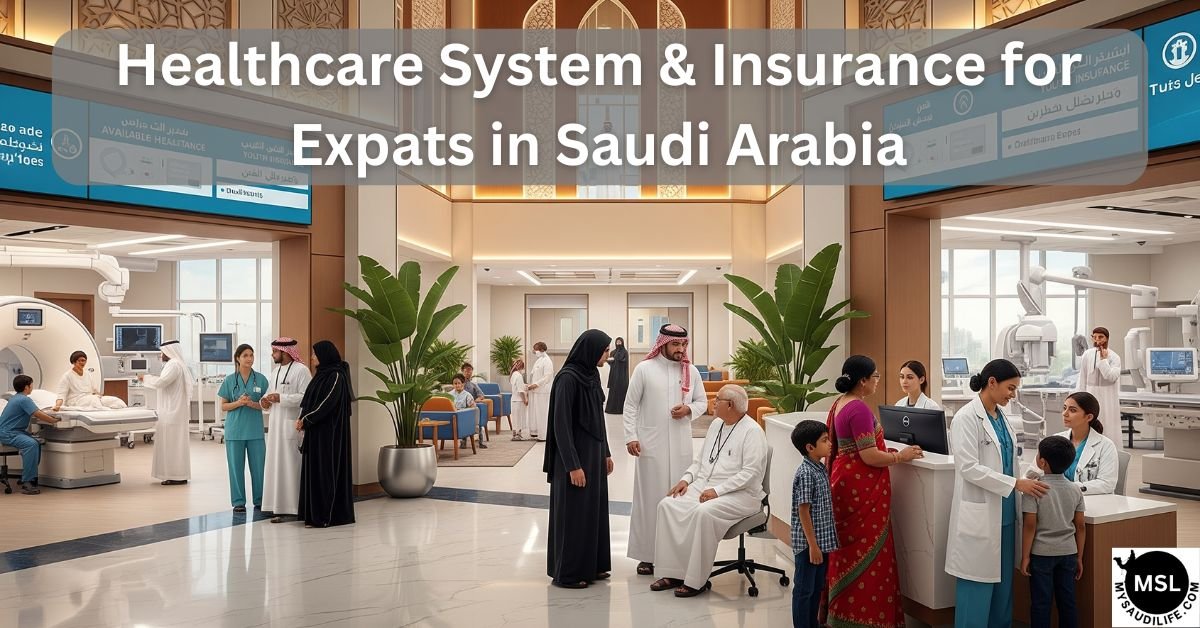
Saudi Arabia’s healthcare system has made significant strides in recent years, offering advanced medical facilities, trained professionals, and a growing number of private hospitals catering to expats. Whether you’re a new arrival or a long-time resident, understanding how the system works—and how insurance fits into it—is essential for your peace of mind and overall experience of Saudi life for expats.
10.1 Public vs Private Healthcare
Saudi citizens enjoy free access to government hospitals, but expats mostly rely on the private healthcare system. While public hospitals like King Fahad Medical City may accept expats during emergencies, the majority prefer private hospitals due to better services, faster care, and English-speaking staff.
10.2 Private Hospitals Popular Among Expats
Top-tier private hospitals are located in major cities such as Riyadh, Jeddah, and Dammam. These facilities follow international standards and offer multilingual support. Common choices include:
- Kingdom Hospital – Riyadh
- Dr. Sulaiman Al Habib Medical Group – multiple locations
- Saudi German Hospital – various cities
- International Medical Center – Jeddah
- Fakeeh University Hospital – Jeddah
10.3 Mandatory Health Insurance for Expats
Health insurance is compulsory for all expatriates working in Saudi Arabia. Employers are legally required to provide insurance for their foreign workers and their dependents. Plans vary based on job position and company policies:
- Basic coverage includes general consultations, emergency services, and basic medications.
- Premium plans may offer dental, maternity, specialist visits, and hospitalizations.
10.4 What If You Don’t Have Insurance?
Without health insurance, medical treatment can become expensive. A standard doctor visit may cost SAR 200–400, while specialized procedures or hospital stays may exceed SAR 5,000. Moreover, without valid insurance, your iqama (residence permit) cannot be renewed or issued.
10.5 Pharmacies & Medications
Pharmacies are available in every neighborhood, often attached to hospitals or malls. Many common medicines can be purchased without a prescription. For stronger medications or antibiotics, a valid doctor’s prescription is necessary. Popular pharmacy chains include:
- Al Nahdi Pharmacy
- White Pharmacy
- United Pharmacies
10.6 Emergency Numbers & Services
In case of a medical emergency, dial 997 for an ambulance. Response times in major cities are usually fast. Most private hospitals also operate their own emergency rooms and hotlines for quick admissions.
11. Expat Kids – Schools, Activities & Daily Life
For expat families in Saudi Arabia, raising children can be both rewarding and challenging. The Kingdom has made significant progress in education and recreational activities for children, especially in major cities. However, options and experiences vary depending on your nationality, budget, and location, making it an important part of the overall Saudi life for expats.
11.1 International Schools in Saudi Arabia
Expats usually prefer international schools, which follow American, British, Indian, or IB curricula. These schools provide high academic standards and are located mainly in Riyadh, Jeddah, Dammam, and Khobar. Some top options include:
- British International School (Riyadh)
- American International School (Jeddah)
- International Indian School (Riyadh, Dammam, Jeddah)
- Philippine International School
- Bangladesh International School
11.2 Daily Life & Social Environment
Children usually adapt well in Saudi Arabia, especially in expat compounds where there’s more freedom. In cities, families visit malls, parks, or indoor play areas. Gender segregation rules apply in public schools and some areas, but within private communities, kids enjoy more relaxed interactions — a unique aspect of Saudi life for expats raising children here.
11.3 Extracurricular Activities
From swimming and football to music and coding classes, there are plenty of after-school activities for children. Many compounds offer sports courts, swimming pools, and play zones. Outside, private centers like Little Gym, KidZania (in Jeddah and Riyadh), and various sports academies are popular among those enjoying an active Saudi life for expats.
11.4 Childcare & Nurseries
There are nurseries and pre-schools available for toddlers in most urban areas. Some compounds also run in-house daycare centers. Fees range between SAR 1,000 to SAR 3,000 per month, depending on the services and curriculum offered, adding another layer to the diverse Saudi life for expats with young children.
11.5 Safety & Cultural Adjustment
Saudi Arabia is generally safe for families. Parents appreciate the low crime rates and the conservative environment. However, adjusting to cultural norms—like dress codes or limited outdoor events in summer—takes time. Many families find joining school WhatsApp groups and expat parenting forums helpful for smooth integration, making it easier to embrace Saudi life for expats.
12. Religion, Culture & Legal Restrictions in Saudi Arabia
Understanding the religious and legal framework is essential for every expat living in the Kingdom. Saudi life for expats is deeply shaped by Islamic culture and Shariah law. While the country has modernized in many ways, the core values remain conservative, and respecting them is key to a safe and smooth experience.
12.1 Religion and Daily Life
Islam is the official religion of Saudi Arabia, and all public life follows Islamic principles. Five daily prayers are observed across the country, and during prayer times, many shops and services close temporarily. Friday is the holy day, and the weekend is Friday and Saturday. Understanding these customs is an important part of adapting to Saudi life for expats.
Non-Muslims are free to practice their religion in private, but public display of non-Islamic religious symbols, materials, or gatherings is strictly prohibited. Religious tolerance is improving, but cultural sensitivity is still expected in all interactions.
12.2 Legal and Social Rules
The law in Saudi Arabia is based on Shariah. Here are some rules expats must follow, which are a crucial part of Saudi life for expats:
- No Alcohol or Drugs: Alcohol is completely banned. Drug possession can lead to imprisonment or even the death penalty.
- Dress Code: Modest clothing is required in public. Women (including expats) are expected to cover their shoulders and knees, though abayas are now optional in some cities.
- Public Behavior: Public displays of affection are frowned upon. Loud behavior, swearing, or arguing in public can lead to legal issues.
- Gender Separation: Many public spaces still maintain gender segregation, though mixed-gender events and spaces are increasing.
12.3 Internet and Content Restrictions
Saudi Arabia blocks websites and online content considered offensive to Islamic values. VoIP calls are available on some apps, but others may be blocked. Always avoid posting critical content about the government, religion, or culture, especially on social media.
12.4 Evolving Reforms & Flexibility
Under Vision 2030, the Kingdom has relaxed many restrictions—such as allowing women to drive, hosting entertainment events, and opening cinemas. Life has become more comfortable for many expats, but the core legal system remains Islamic and must be respected at all times. These ongoing changes are shaping a more balanced and modern Saudi life for expats.
13. Getting Around – Transport & Driving for Expats
Navigating Saudi Arabia as an expat depends on your city, lifestyle, and preferences. Saudi life for expats often includes a mix of public transport, ride-hailing services, and personal vehicles. Driving laws, license requirements, and public transit availability are essential to understand for a smooth transition.
13.1 Driving in Saudi Arabia
Many expats choose to drive in Saudi Arabia due to the convenience and comfort it offers. Roads are well-maintained and highways connect major cities efficiently, making commuting a common part of Saudi life for expats. Expats from GCC countries or countries with bilateral agreements can convert their driving licenses. Others must go through a driving test.
Women have been legally allowed to drive since 2018, marking a significant reform. Female expats can apply for a license in the same process as men.
- International Driving Permit (IDP): Valid for up to 3 months after arrival.
- Saudi License: Required after 3 months; you may convert or apply via local traffic schools.
- Insurance: Mandatory. Make sure your vehicle has valid third-party or full insurance.
13.2 Ride-Hailing Services
Apps like Uber and Careem are widely used and reliable. These services are affordable and safe, especially for those who do not wish to drive. For many newcomers, they are the easiest way to experience daily Saudi life for expats without navigating traffic yourself. You can pay via credit card or cash, and female expats often prefer them for privacy and comfort.
13.3 Public Transportation
Public transportation in Saudi Arabia is improving, especially in major cities like Riyadh, Jeddah, and Dammam. The Riyadh Metro is a major upcoming project with multiple lines set to ease city travel. Currently, SAPTCO buses operate intercity and local routes.
However, buses are not commonly used by middle- or high-income expats due to limited coverage and comfort. They are more popular among labor workers and low-budget travelers.
13.4 Intercity Travel
Traveling between cities is convenient with well-maintained highways and budget airlines. Saudia, Flynas, and flyadeal offer frequent domestic flights. Trains are also available, including the high-speed Haramain train connecting Makkah, Madinah, and Jeddah—making intercity journeys an interesting part of Saudi life for expats.
Whether you drive your own car, use Uber, or take domestic flights, getting around Saudi Arabia is easier than ever before. Just ensure compliance with all local driving rules and carry your ID and Iqama at all times.
14. Retirement Planning for Expats in Saudi Arabia
Saudi life for expats can be financially rewarding, but retirement planning is often overlooked. Since Saudi Arabia doesn’t offer long-term residency or retirement visas (as of now), expats must plan early and smartly for life after Saudi.
14.1 No Long-Term Residency or Pension for Expats
Saudi Arabia does not currently have a government pension or retirement scheme for expatriates. Once your employment contract ends and your Iqama is canceled, you are expected to leave the country within the allowed grace period. Therefore, building financial stability for retirement while enjoying Saudi life for expats must be done independently.
14.2 How Expats Can Save for Retirement
- International Retirement Accounts: Use offshore pension funds or personal retirement accounts available in your home country or international platforms.
- Invest in Property: Many expats invest in real estate in their home country or abroad to generate passive income for post-retirement life.
- Stock Market & Mutual Funds: Consider regulated investment portfolios with long-term growth strategies.
- Savings Plans from Insurance Firms: Several international insurance companies offer retirement-oriented savings policies tailored for expats.
14.3 Planning for Life After Saudi
Since you can’t retire in Saudi Arabia, it’s wise to identify where you plan to settle after your work tenure ends. Think about:
- Health insurance and medical support in your home country
- Whether your children will continue studying abroad or return home
- Cost of living differences between Saudi and your future location
- How much monthly income you’ll need for a comfortable retired life
14.4 Final Advice for Expats
Retirement may feel far away, but time passes quickly. If you’re living tax-free and earning well in Saudi Arabia, use this opportunity to save aggressively. Speak with a financial advisor experienced with expats, set clear goals for your retirement years, and make the most of Saudi life for expats while you can.
15. Education System for Expat Children in Saudi Arabia
Education is a major concern for expat families living in Saudi Arabia. While public schools are generally reserved for Saudi citizens, there is a wide range of international schools available for expat children, offering diverse curricula and high-quality education that is an important part of Saudi life for expats.
15.1 No Public School Access for Expats
Expatriate children are not allowed to enroll in Saudi public schools, which are Arabic-based and follow Islamic studies. Therefore, expat families must choose from private or international schools, which are regulated by the Ministry of Education.
15.2 Types of International Schools Available
Saudi Arabia has a strong network of international schools, especially in cities like Riyadh, Jeddah, Dammam, and Al Khobar. Common options include:
- British Curriculum (IGCSE, A-level)
- American Curriculum (SAT, AP)
- Indian Curriculum (CBSE, ICSE)
- Philippine, Pakistani, Bangladeshi Schools
- International Baccalaureate (IB)
15.3 Tuition Fees and Living Costs
Tuition fees can range from SAR 10,000 to SAR 60,000 per year, depending on the school, curriculum, and city. Additional costs may include transport, uniforms, books, and extracurriculars. Some employers provide education allowances as part of Saudi life for expats to make relocation more attractive.
15.4 Admission Process and Waiting Lists
Admission is competitive, especially in popular schools. Most schools require:
- Previous academic records
- Entrance exams or interviews
- Iqama and passport copies of the child and parents
15.5 Homeschooling and Online Schooling
A growing number of expats are opting for online schools and homeschooling solutions, especially after the pandemic. Accredited platforms from the UK, US, India, and other countries offer flexibility for traveling families or remote areas.
15.6 Final Tips for Expat Parents
Plan school admissions early, preferably a year in advance. Attend open houses, speak with other expat families, and compare curricula that best fit your child’s long-term academic goals while considering the overall benefits and challenges of Saudi life for expats.