 by
by
 Written by Waqas | ⏱️ Read Time: 19 minutes | 📅 Last Updated: Aug 13, 2025
Naturally, the big question on your mind is: how long does it take to get Iqama in Saudi
Arabia? The short answer is — it depends. While some expats receive theirs within a week or
two, others might wait longer due to delays in paperwork, medical tests, or company processes.
In this article, we’ll walk you through the average timeline, what can speed things up (or
slow things down), and what you can do to make the process as smooth as possible.
Whether you’re here for the first time or guiding a family member through the process, this
guide is here to help. If you’ve just landed a job in Saudi Arabia or recently arrived in the Kingdom, one of the first
things on your to-do list is probably getting your Iqama — and rightly so. The Iqama is your
official residence permit, and without it, life in Saudi Arabia can be a bit tricky. From opening a
bank account to getting a SIM card, renting an apartment, or even just moving around
comfortably, your Iqama is the key that unlocks it all.
How Long Does It Take To Get Iqama In Saudi Arabia?
What Is an Iqama?
Your Iqama is more than just a residency card — it’s your identity in Saudi Arabia. Officially
known as the Muqeem card, the Iqama is issued by the Ministry of Interior and proves that
you’re legally living and working in the Kingdom.
The card includes key details like your full name, job title, employer, nationality, and Iqama
number. You’ll need it for almost everything — from opening a bank account and signing a
lease, to getting health insurance and even receiving deliveries.
If you’re working in Saudi Arabia, your employer is responsible for applying for your Iqama shortly after you arrive. In most cases, the company handles all the paperwork and submits it to the relevant government departments. But knowing how long does it take to get Iqama in Saudi Arabia and what’s happening behind the scenes can save you a lot of stress — especially if there are delays.
In short, without an Iqama, you’re technically not allowed to live or work in Saudi Arabia beyond a certain grace period. That’s why getting it issued quickly is one of the most important things to sort out after you arrive.
Step-by-Step Process for Getting an Iqama
How long does it take to get Iqama in Saudi Arabia? Getting your Iqama in Saudi Arabia might seem like a complicated process, but once you understand the steps, it becomes much easier to follow. Your employer is responsible for handling most of the paperwork, but as an expat, it’s helpful to know what to expect and when to follow up.
Here’s a clear breakdown of the steps involved:
1- Arrival in Saudi Arabia

Arabia
Once you arrive in the Kingdom on a work visa, your employer should begin the Iqama process
immediately. Technically, employers have up to 90 days to issue your Iqama, but most try to
complete it within 1–3 weeks so you can settle in and access essential services.
2- Undergo a Medical Examination

You’ll need to visit a Ministry of Health-approved medical center for a health screening. The
exam usually includes:
- Blood tests
- A chest X-ray
- Screening for infectious diseases
Your test results are submitted electronically to the Ministry of Interior system. You can find
approved medical centers listed on the Saudi Ministry of Health (MOH) website or ask your
employer for recommendations.
3- Biometric Fingerprinting
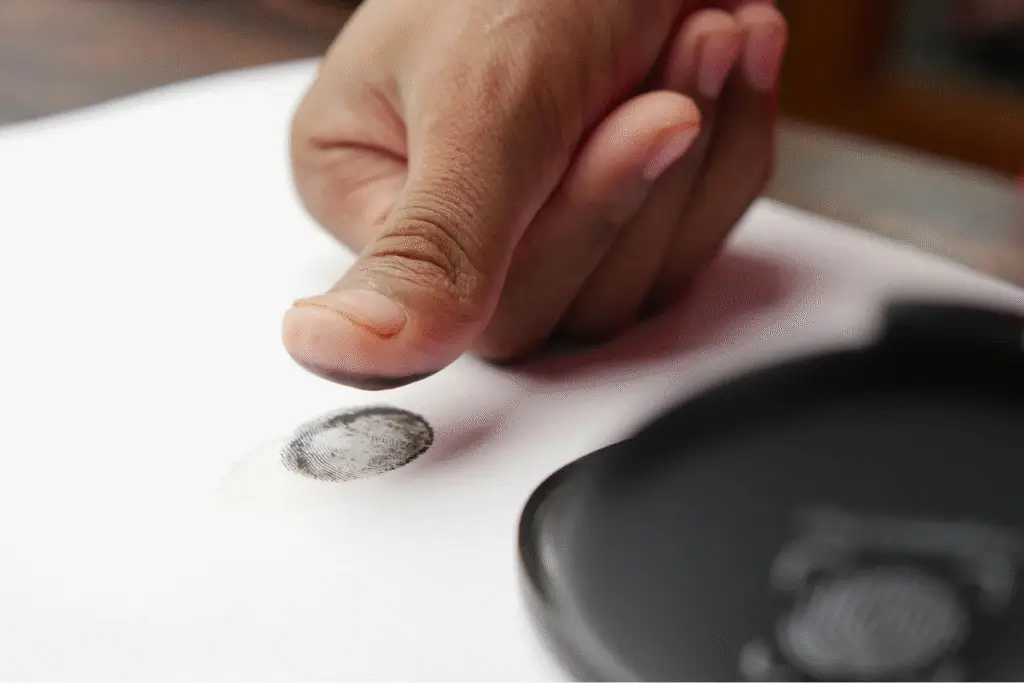
After the medical, you’ll go for fingerprinting (biometrics) at the nearest Jawazat (General
Directorate of Passports) office. This step is mandatory for all expatriates and must be
completed before your Iqama can be issued.
You can locate your nearest Jawazat branch and book appointments through the Absher
platform — a key government portal where you’ll later manage many official services
(including Iqama renewals, visa status, etc.).
4- Document Submission by Employer

Your employer (or their PRO – Public Relations Officer) will compile and submit your
paperwork to the Ministry of Interior, including:
- Passport copy with your visa
- Medical test results
- Employment contract
- Your photo and fingerprint record
- Payment for Iqama processing fees
The fees and process are handled through the Ministry of Human Resources and Social
Development (MHRSD) and Ministry of Interior (MOI) systems. You won’t need to deal with
these ministries directly, but it’s good to be familiar with them.
5- Iqama Issuance

Once all your documents are approved and processed, your Iqama card is printed and delivered
to your employer. At this point, you’re officially a legal resident in Saudi Arabia.
Your Iqama will include:
- Your full name
- Iqama number
- Job title
- Nationality
- Employer details
- Expiry date
After Receiving Your Iqama — What You Can Do
With your Iqama in hand, you can now:
- Get a SIM card in your name
- Open a Saudi bank account
- Rent an apartment
- Access government services via Absher
- Sponsor dependents (if your job and salary allow)
💡 Tip: Always keep your Iqama with you. You’ll need it for identification,
especially when dealing with police checkpoints or government services.
How Long Does It Take To Get Iqama In Saudi Arabia | Factors of Delay
How Long Does It Take To Get Iqama In Saudi Arabia? Even though the Iqama process usually takes 1 to 3 weeks, delays do happen — and they’re more common than you might expect. As an expat in Saudi Arabia, it’s helpful to know what might slow things down so you can stay ahead of the curve and avoid unnecessary stress. Here are some of the most common factors that can delay your Iqama:
1- Incomplete or Incorrect Paperwork
If your documents are missing, inaccurate, or not translated properly, your application can be put
on hold. This includes things like:
- A passport with a mismatch in spelling
- Missing medical test results
- Errors in your job title or contract
Tip: Double-check all your documents before submitting them to your
employer. Even a small mistake can cost you days — or weeks.
2- Delays in Medical Test Results
Sometimes, your medical test results can be delayed due to system errors, high demand at the clinic, or follow-up checks if something looks abnormal. Since these results are submitted electronically to the Ministry of Interior, any hiccup here holds up the entire process — and can affect how long does it take to get Iqama in Saudi Arabia.
3- Biometric Appointment Backlog
Getting an appointment for fingerprinting at the Jawazat office can take longer than expected
— especially in major cities like Riyadh, Jeddah, or Dammam. If your employer hasn’t booked
this early on, it could delay everything else.
You can monitor or reschedule biometric appointments via Absher.
4- Public Holidays or Government Office Closures
Saudi Arabia observes major public holidays such as Eid al-Fitr, Eid al-Adha, and National
Day, during which most government offices are closed. If your application is submitted close to
any of these holidays, expect a delay.
5- Employer’s Internal Processing Delays
Not all employers are equally fast or organized. Some companies — especially smaller ones — may take longer to start the process or might not have a dedicated PRO (Public Relations Officer) to handle paperwork efficiently. Since this can directly impact how long does it take to get Iqama in Saudi Arabia, it’s okay to politely follow up with HR if you feel things are taking too long.
6- Technical Issues in Government Systems
Occasionally, the Ministry of Interior or Absher system might go through maintenance or
technical issues, leading to application backlogs. While this is rare, it does happen — especially
during high-traffic periods.
What You Can Do
- Stay in regular contact with your HR or sponsor.
- Ask for confirmation once each step (medical, fingerprinting, submission) is completed.
- Register for Absher early so you can track your own status and appointments.
Tips to Speed Up the Iqama Process
Waiting for your Iqama can be frustrating, especially when it’s holding you back from opening a bank account, getting a SIM card, or feeling fully settled in Saudi Arabia. You might find yourself wondering, how long does it take to get Iqama in Saudi Arabia? While your employer handles most of the paperwork, there are definitely things you can do to help move things along faster.
Here are some practical tips to speed up the Iqama process:
1- Have All Your Documents Ready Before You Arrive
Make sure you bring:
- Multiple passport-sized photos (with a white background)
- Original copies of your academic or professional certificates (if required)
- Your work visa and employment contract
- A valid passport with at least 6 months’ validity
Having everything ready makes it easier for your employer to begin the Iqama process right
away.
2- Follow Up with HR or Your Sponsor Regularly
Don’t be shy about checking in with your HR department or sponsor. A polite follow-up email or message can help ensure your case doesn’t fall through the cracks, especially if your company handles many expats. After all, staying informed about how long does it take to get Iqama in Saudi Arabia can help you manage expectations and take action when needed.
Example: “Hi, just wanted to check if my medical test and fingerprinting have been
scheduled. Let me know if you need anything from my side.”
3- Complete Your Medical and Biometric Steps ASAP
Ask your employer to schedule your medical exam and biometrics as soon as possible.
These are the two biggest time-sensitive steps, and once they’re done, the rest of the
process is mostly paperwork.
You can check the status of your fingerprint registration on Absher under the “Public Query
Fingerprint Enrollment” section.
4- Create an Absher Account Early
Even before your Iqama is issued, you can register for Absher using your passport number
and mobile number. Once your Iqama is ready, this platform will be your go-to for checking
status, managing renewals, and booking government appointments.
To register:
Visit Absher here
5- Avoid the Holiday Rush
If you’re arriving close to major Saudi holidays (like Eid al-Fitr, Eid al-Adha, or National Day),
be aware that processing might slow down. If possible, plan your arrival during regular
working periods to avoid unnecessary delays.
6- Stay Organized and Communicative
Keep digital copies of:
- Your passport
- Visa page
- Medical report
- Fingerprint confirmation receipt
If your employer requests anything, you’ll be ready to respond immediately — and that can
save days.
Bonus Tip: Once your Iqama is issued, take a clear photo of it and email it to yourself.
It’ll come in handy if you ever lose your card or need the details urgently.
What Happens If There Is a Delay?
If your Iqama is delayed beyond the usual 1–3 week timeframe, you’re not alone — it happens to many expats. But while delays are common, understanding how long does it take to get Iqama in Saudi Arabia can help you better navigate the waiting period. It’s important to know how delays can affect your stay and what you should (and shouldn’t) do while waiting.
1- Legal Implications of Not Having an Iqama
Saudi Arabia requires all foreign residents to hold a valid Iqama. If yours hasn’t been issued yet,
you’re technically in the country on a visa, and that comes with some restrictions:
- You can’t legally work until your Iqama is issued
- You can’t travel outside the Kingdom
- You may be limited in accessing services like banking, mobile plans, or government
platforms
That’s why it’s important for your employer to move quickly — delays could put you and them
at legal risk.
2- Who Is Responsible for Delays?
In most cases, your employer is fully responsible for issuing your Iqama. They are also
responsible for:
- Paying the required fees
- Submitting accurate documents on time
- Ensuring compliance with Saudi labor laws
If there are delays, it’s perfectly okay to follow up and ask for updates.
3- What Can You Do During a Delay?
While you wait, here are a few things you can do:
- Register for Absher early to prepare for future services
- Use your passport and visa for ID in the meantime
- Keep in contact with your sponsor/HR department and ask for a status update
And here’s what you should avoid:
- Don’t take on work officially or unofficially without an Iqama
- Don’t travel internally without carrying your passport and visa copy
Frequently Asked Questions (FAQ)
1. How long does it usually take to get an Iqama after arriving in Saudi Arabia?
Most expats receive their Iqama within 1 to 3 weeks after arrival. However, delays can happen due to medical test issues, document errors, or employer processing delays.
2. Can I work in Saudi Arabia without an Iqama?
Technically, no. Even if you’ve started working, it’s against Saudi labor law to be employed without a valid Iqama. If you’re still waiting, it’s best to check with HR and avoid any formal job duties until you’re fully registered.
3. What happens if my Iqama is delayed beyond 90 days?
If your Iqama isn’t issued within the 90-day grace period, your employer may face penalties — and you could be considered out of legal status. Follow up with your sponsor well before that deadline to avoid issues.
4. Can I leave Saudi Arabia before getting my Iqama?
You’ll need an exit/re-entry visa, which typically requires an Iqama. If you must leave the country before your Iqama is issued, your employer must coordinate with immigration — and it’s not always guaranteed. Always speak to your HR before making travel plans.
5. Do I need my Iqama to open a bank account or get a SIM card?
Yes, you usually need an Iqama to:
- Open a local bank account
- Buy a SIM card in your name
- Rent a home
- Use government services (like Absher)
Until then, you may need to use your passport and visa for temporary identification.
6. Can I track my Iqama status online?
Yes! Once your biometrics are registered, you can sign up for an account on Absher and track certain statuses like fingerprint enrollment, visa information, and Iqama validity once it’s issued.
7. Who pays for the Iqama — me or my employer?
By Saudi labor law, the employer is responsible for all costs related to your Iqama — including the issuance, renewal, and associated fees.